
Research Day Celebration 2021
“Startups and Government bodies must be complementing one another to steer space industry towards excellence”- Sri S Somanath, Director, VSSC
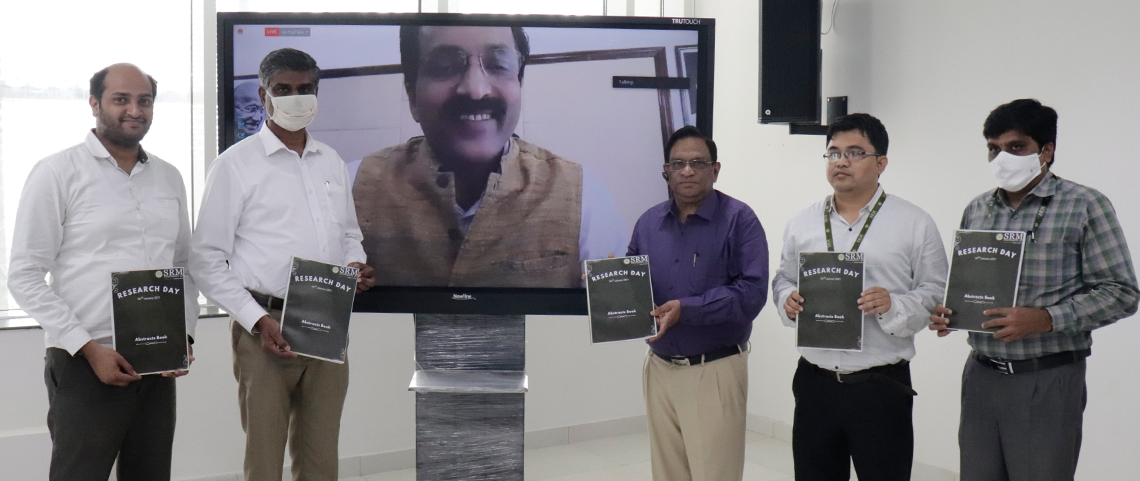 Research Day 2021 ceremony at SRM University-AP, Andhra Pradesh encompasses various endeavors aimed at appreciating and encouraging scholars to carry out extensive research works to enrich the society. Applauding the initiative, Dr P Sathyanarayanan, President, SRM AP stated “Research Day is when SRM University-AP commemorate the faculty and students for their outstanding research contributions. This university, though just a three-year-old one, has grown leaps and bounds in research and is now clearly the front runner among all the universities in the region.”
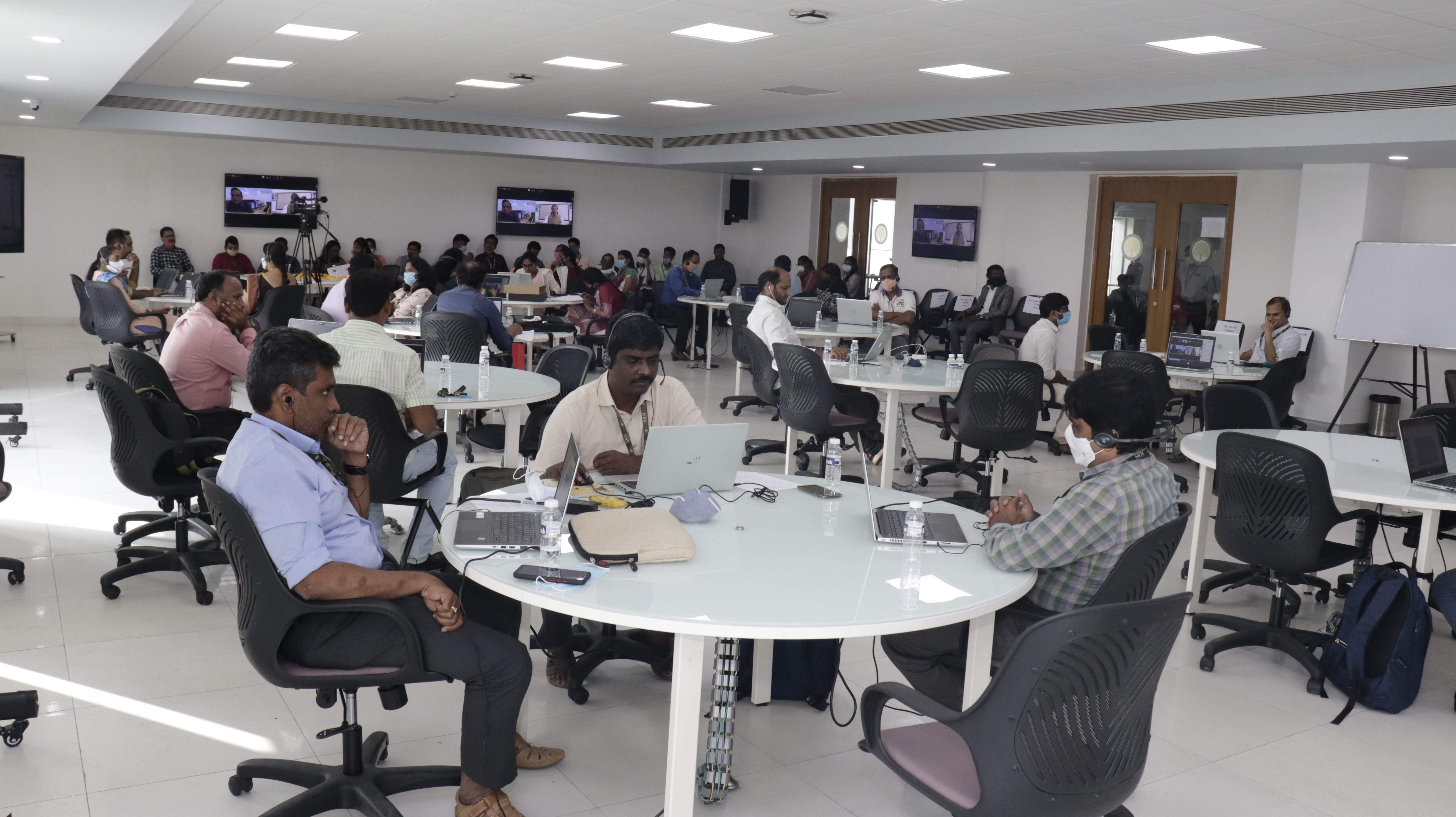
Prof V S Rao, Vice-Chancellor, SRM AP welcomed the Chief Guest Sri S Somanath, Director, Vikram Sarabhai Space Center (VSSC), Thiruvananthapuram, and other revered audience. Prof V S Rao highlighted, “Research day brings an excellent opportunity for the scientific community to showcase their accomplishments and impactful research works.”
Advancing the celebration, Prof D Narayana Rao, Pro Vice-Chancellor, SRM AP took the virtual podium to comment “Science and Technology is the driving force for the economic development of India. We need to encourage young scholars by providing a vibrant and conducive research environment. Expanding the frontiers of knowledge by triggering interest among students must be the priority of the institutions. Also, focus should be on translational research with societal applications through collaborative research to make our nation a global leader.”
During his motivating speech on “The Indian Space Enterprise Achievements & New Directions”, Dr S Somanath interpreted the complexities of Space Engineering by describing details pertaining to space infrastructure, and technology elements in rocket production involving the development of space vehicles capable of operating for years unattended in the space. He further informs, “The high cost and low volume production remains the challenge associated with Space Engineering.” He also stated that there are increasing demand and scope for satellite startups and the export potential is on the higher side for satellites in India.
Dr S Somanath proceeded to illuminate the audience on the changing horizons of the space industry, contributed by the emerging technologies such as integrating satellites, drones, and terrestrial imagery. In addition, he addressed the disruptive technologies that led to reusable rockets, space technology-driven drones, etc., enhancing the market substantially for the satellite production and reducing the market for the launching vehicles.
Consequently, Dr S Somanath accentuated that the government bodies such as ISRO, IN-SPAC, and NSIL should remodel its direction of operation. He suggests, “Government of India should be opening the space sector and assist the new participants by sharing technological expertise. Startups and government bodies must be complementing one another to steer this industry towards excellence.”
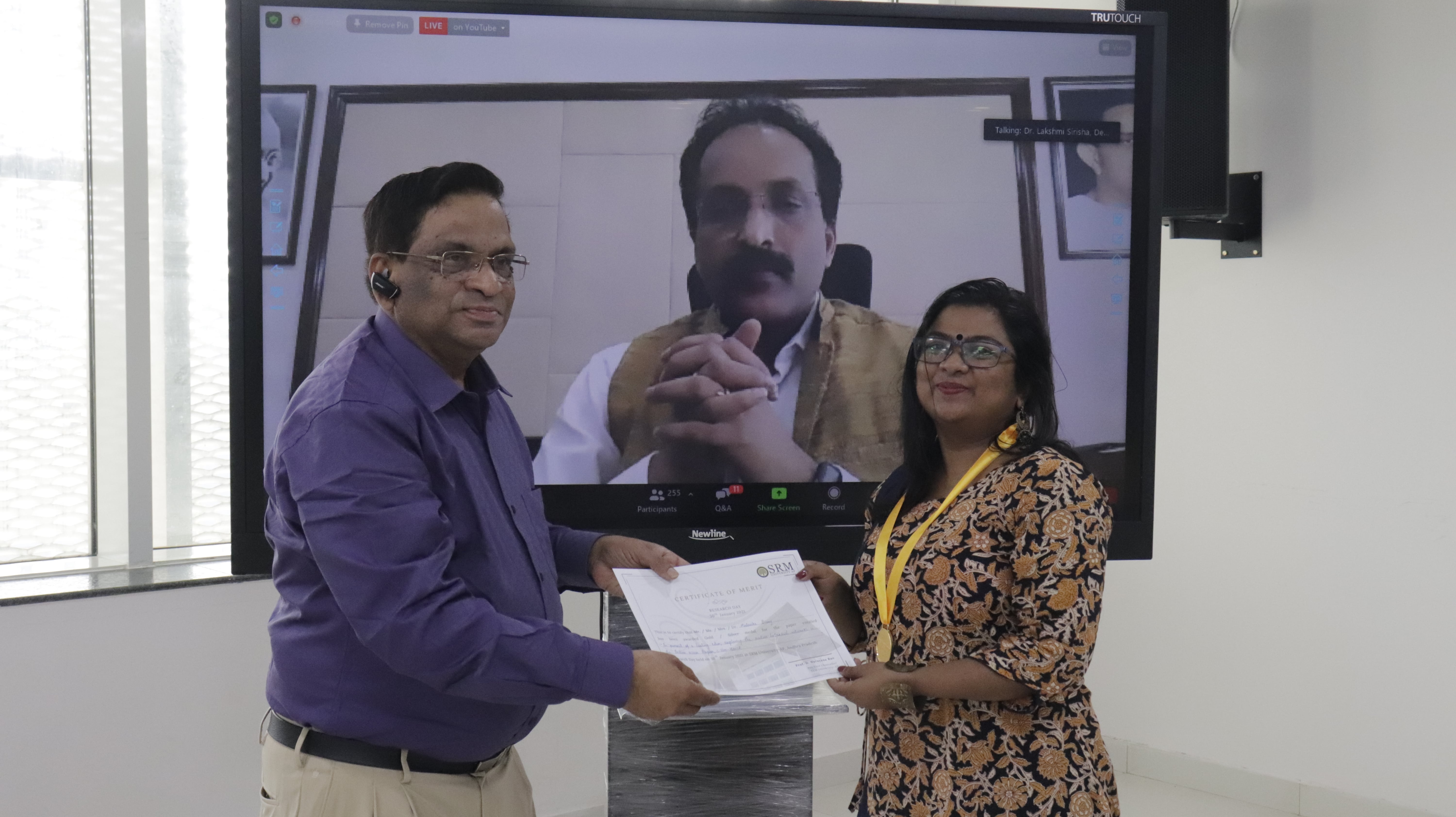
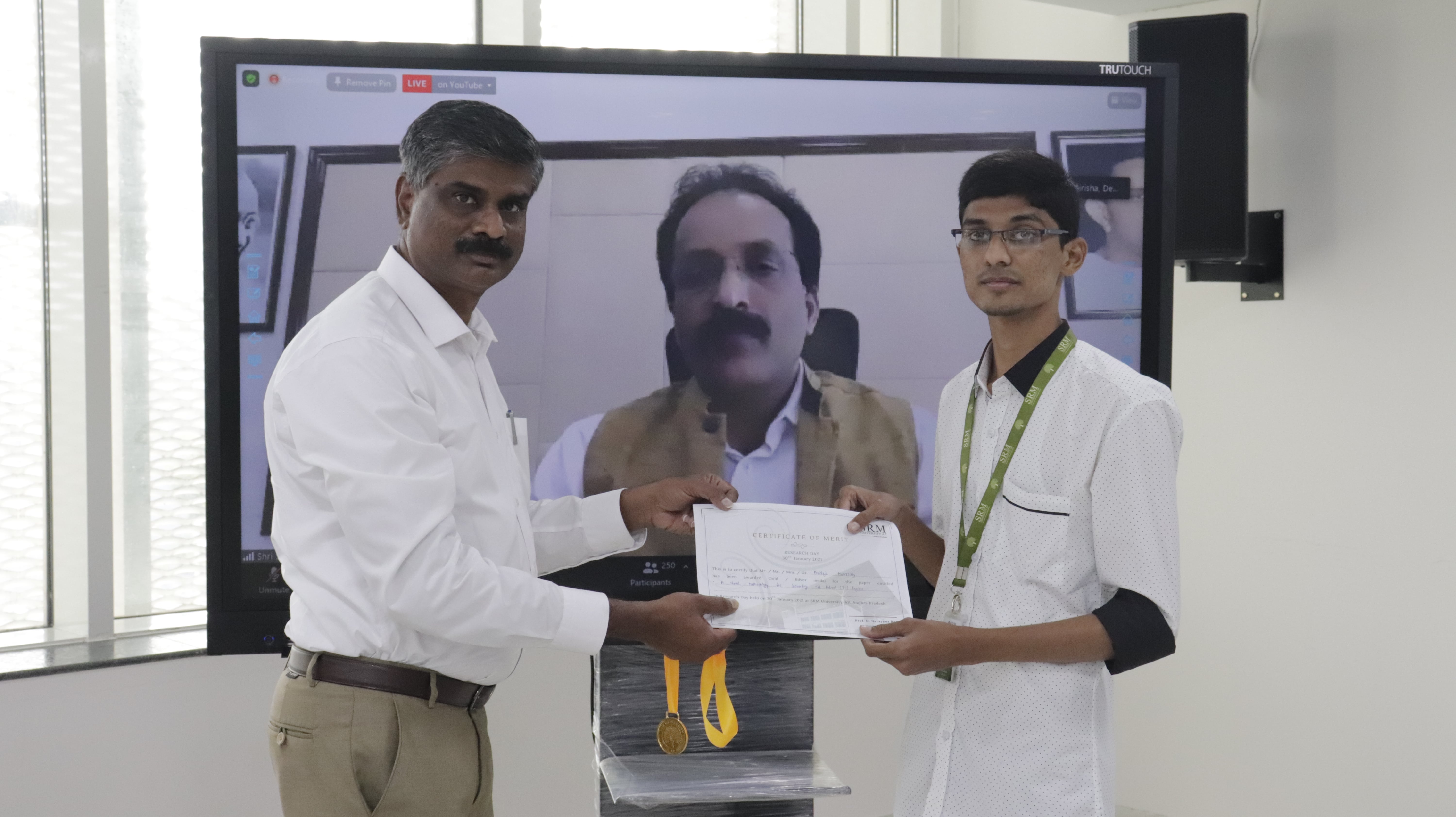
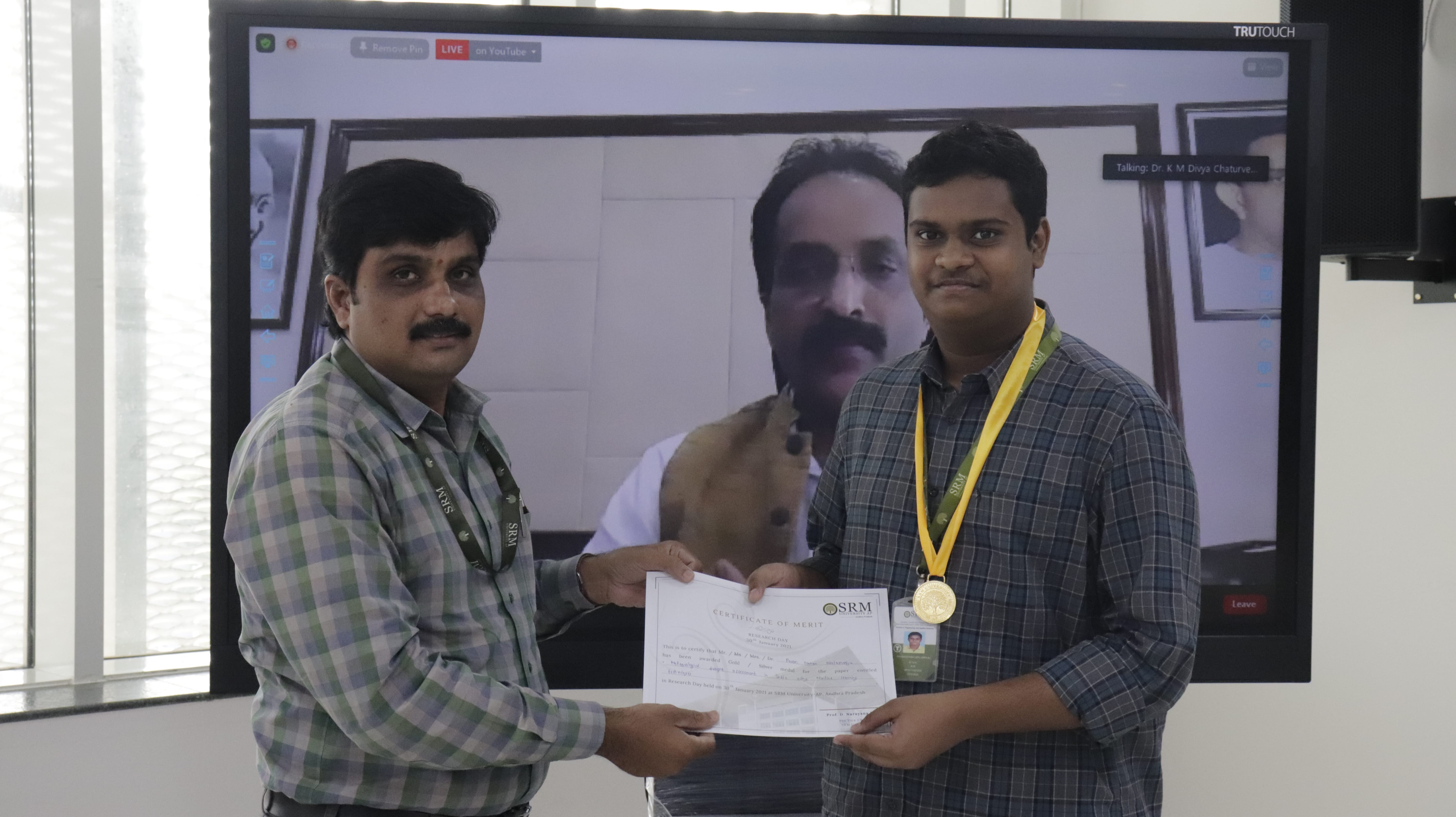
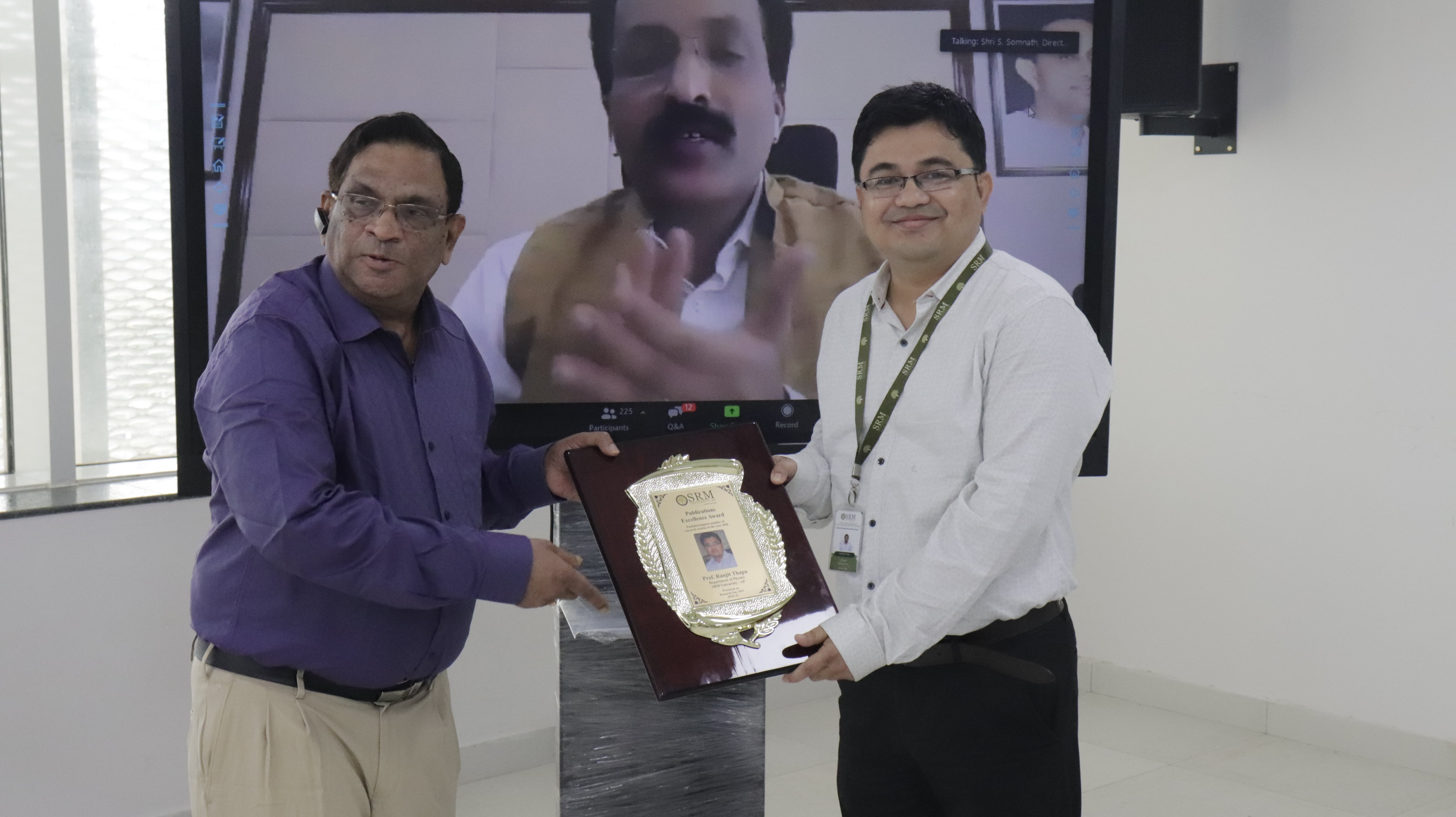
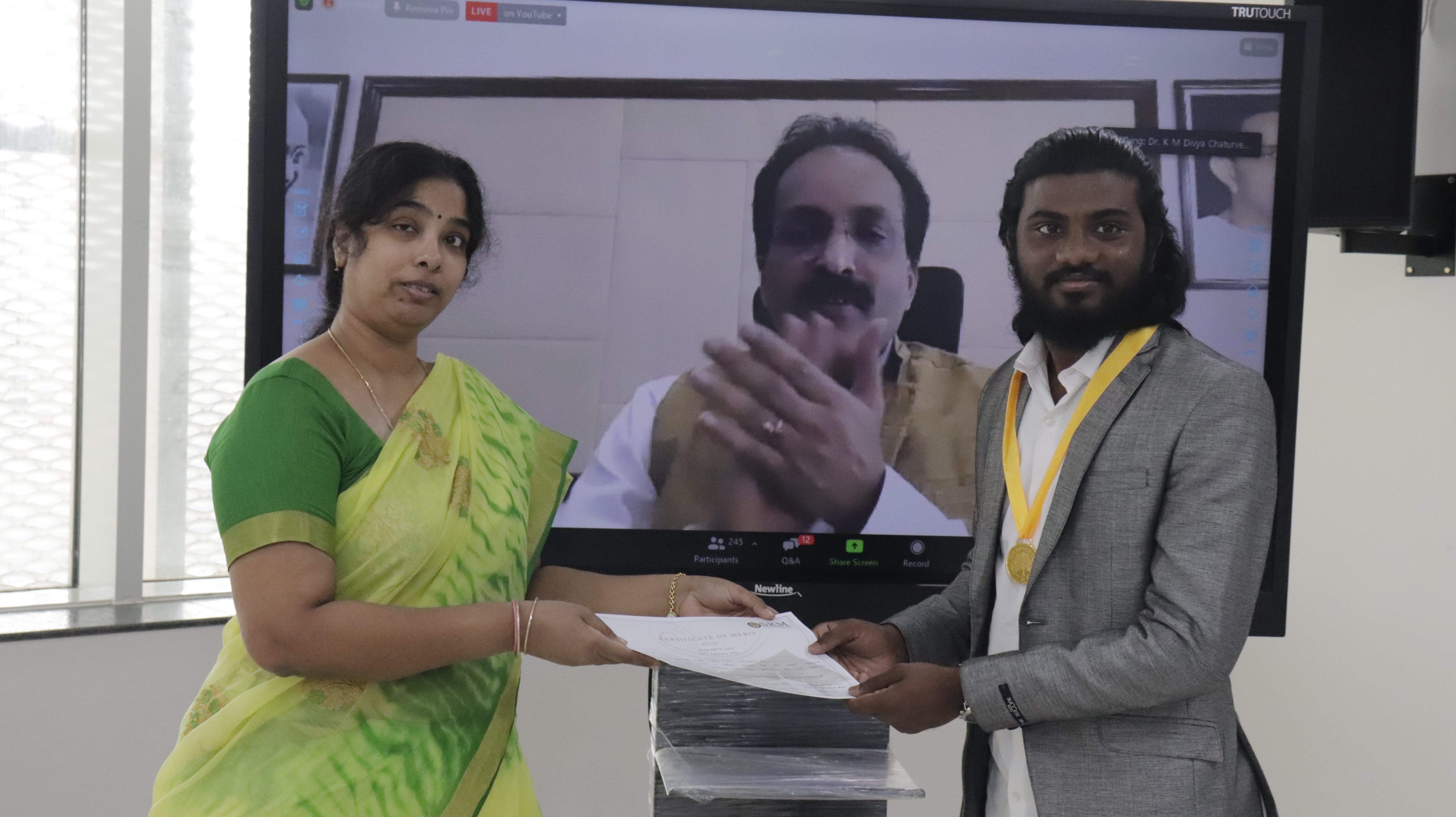
Progressing with the celebration, eminent scientific works and contributions of various faculty, research scholars, and undergraduate students were rewarded. As part of the research day programme, the students and faculty were urged to submit abstracts of their research. Among 176 submissions from students and 40 from the faculty community of SRM AP, 20 were awarded with gold medals while 6 were presented with silver medals. Further, a special issue of abstracts was unveiled during the Research Day celebration that comprised of all the submitted abstracts for public consumption.
Gallery
Videos
Media Panorama
- Published in News, Research News, Research Webinars, Webinars
DST- SERB grant awarded to Dr Sutharsan Govindarajan
Alleviating healthcare challenges by augmenting efficacy of antibiotics
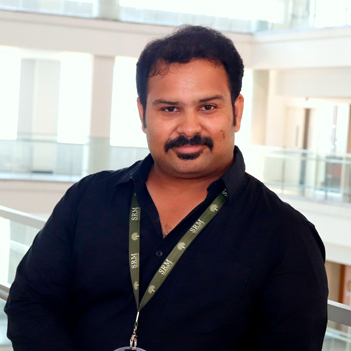 Dr Sutharsan Govindarajan, Assistant Professor, Department of Biological Sciences, SRM University – AP, Andhra Pradesh received an outlay of Rs 55 lakhs by the Department of Science and Technology (DST)- Science and Engineering Research Board (SERB), Government of India to advance the project “Mechanistic understanding of bacterial cytoskeleton inhibition by antibiotics and novel bacteriophage proteins”. The research grant is provided to support active researchers in undertaking research and development in the frontiers of Science and Engineering. Dr Sutharsan exclaims, “It is thrilling to see that my proposal has been accepted for funding. This is a huge recognition for the science that we do at SRM University – AP. Through this funding, I will be able to establish an independent molecular microbiology lab at the university.”
While the entire world is aggressively working to end the menace of COVID19, antimicrobial resistance has been a long-standing unsolved threat. This project is dedicated to interpreting the mechanism of inhibition of bacterial cytoskeleton by antibiotics, which has an immediate impact on the society as it strives to unravel the mystery of ‘how bacteria are able to outsmart antibiotics and survive’. In this project, Dr Sutharsan will be probing antibiotics to comprehend the response of bacteria to them. The scholar says, “Currently, antibiotic resistance is one of the greatest health care challenges of this century leading to serious clinical manifestations. In countries like India, the situation is alarming since nearly 58 thousand new-born babies are dying every year due to bacteria escaping the antibiotics.”
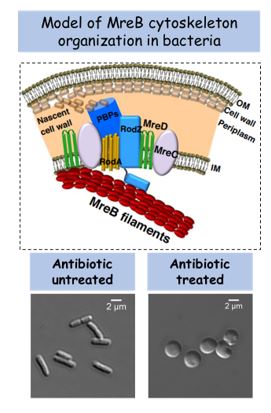 Dr Sutharsan informs, “Largely, solutions to antibiotic resistance problem is directed towards discovering new antibiotics and therapies. However, there are hundreds of existing antibiotics that could be made more effective to kill bacteria. But these antibiotics are not considered as compelling options in the market due to their poor efficiency or lack of understanding. In this project, we will investigate one such antibiotic and attempt to assess its response to the killing agent. By understanding how bacteria escape the antibiotic action, we hope to find effective strategies to combat them.”
The laboratory of phage-bacteria interaction will be established and led by Dr Sutharsan at SRM University-AP, where he will be relentlessly working on various aspects of bacteriology including antibiotic resistance, bacteriophage engineering, and therapy. Sharing his plans of advancing the work, Dr Sutharsan says “In the near future, we are planning to connect with the clinicians and explore the possibility of taking our research findings to actual patients – a bench to bedside model of research.”
- Published in News, Research News
Prof Siva Sankar Y’s remarkable research paces up wireless data transmission
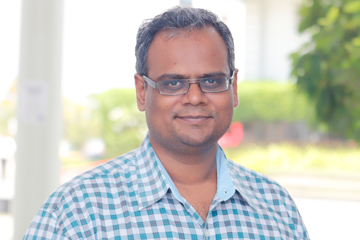 Prof Siva Sankar Y, Professor & Head, Department of Electronics and Communication Engineering, SRM University-AP, Andhra Pradesh published a research paper titled “60 GHz common gate single stage current reuse cascode LNA topology for high data rate applications” in the Journal of Electronic Materials. In the recent era, wireless communication has become essential in the lives of mankind. The data transfer rate of wireless systems varies from a few kilobits per second (kbps) to gigabits per second (Gbps), and the distance of communication supported by these technologies fluctuate from a few meters to kilometers.
Gbps transmission entails the transfer of huge data between different devices such as high-definition (HD) video cameras, smartphones, HD set-top boxes, HD DVD players, and high-definition printers. Realizing Gpbs transmission requires operating frequency of several tens of GHz to hundreds of GHz. To meet the escalating demand for high data transfer rates, wireless technologies are penetrating the millimeter wave technology domain, which supports transmission data rates up to Gbps within small distances.
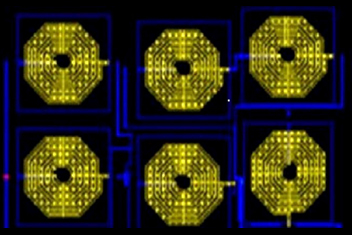 Layout of the proposed circuitMillimeter (mm) wave spectrum can be used for such high-speed wireless communication. Dr Siva Sankar informs, “One of the major challenges in realizing mm wave based transceivers is the design of the CMOS analog RF components. In the design of CMOS RF components, power dissipation, and speed are the two important and conflicting factors that lay stringent requirements on RF design. In our work, RF component design has been used in mmWave transceivers.”
Dr Siva Sankar and his research group developed a high frequency, low noise LNA that can be used in mmWave transceivers to facilitate high data transfer rates. The professor explains, “The designed LNA can be used in mm wave transceivers. The speed (operating frequency) of these components is chosen to be 60GHz because the spectrum around 60GHz is available for unlicensed operation in many regulatory domains including the USA, Japan, Canada and Australia.”. Advancing the research, Dr Siva Sankar and his research group will focus on high speed RF components such as mixers, PLL, and others to realize 60 GHz.
- Published in News, Research News
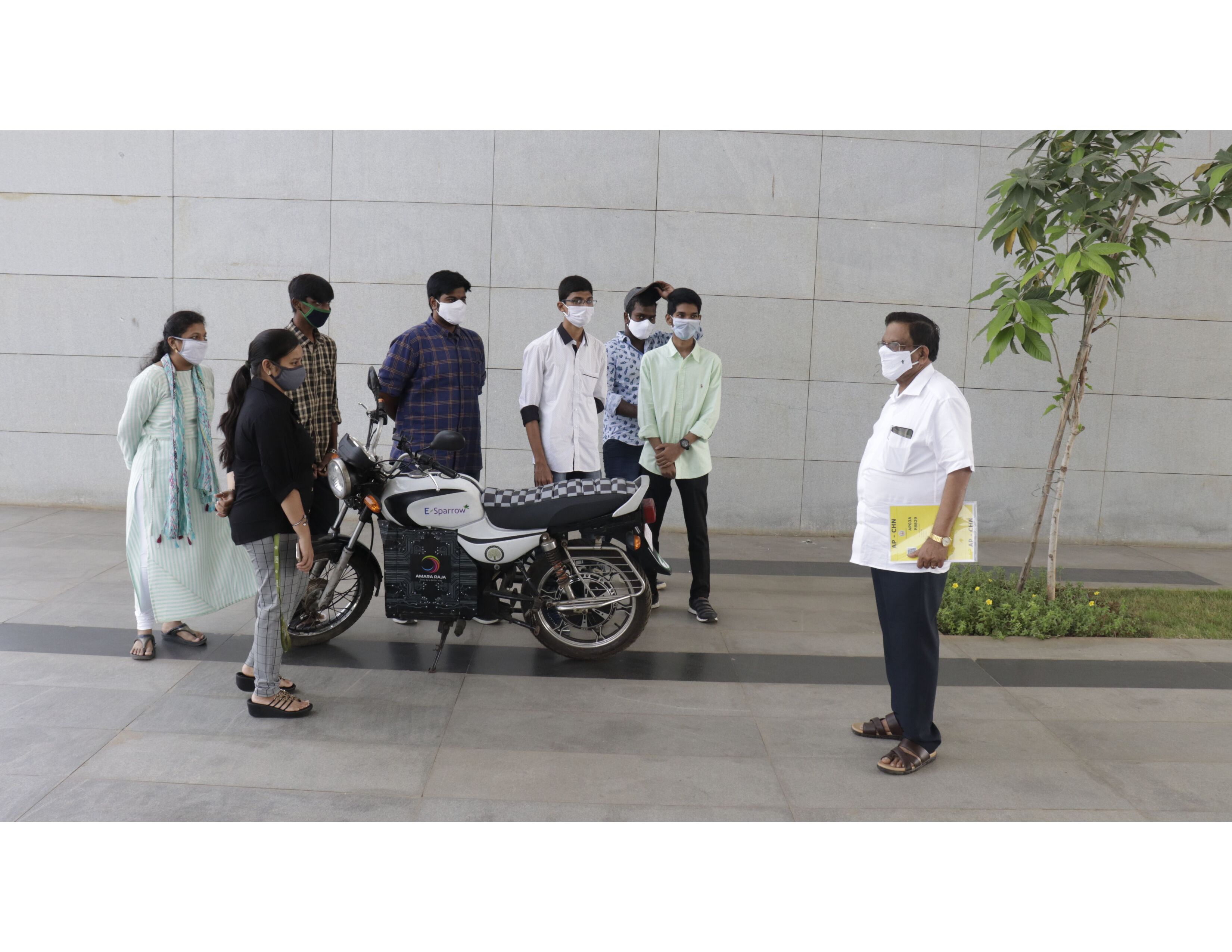
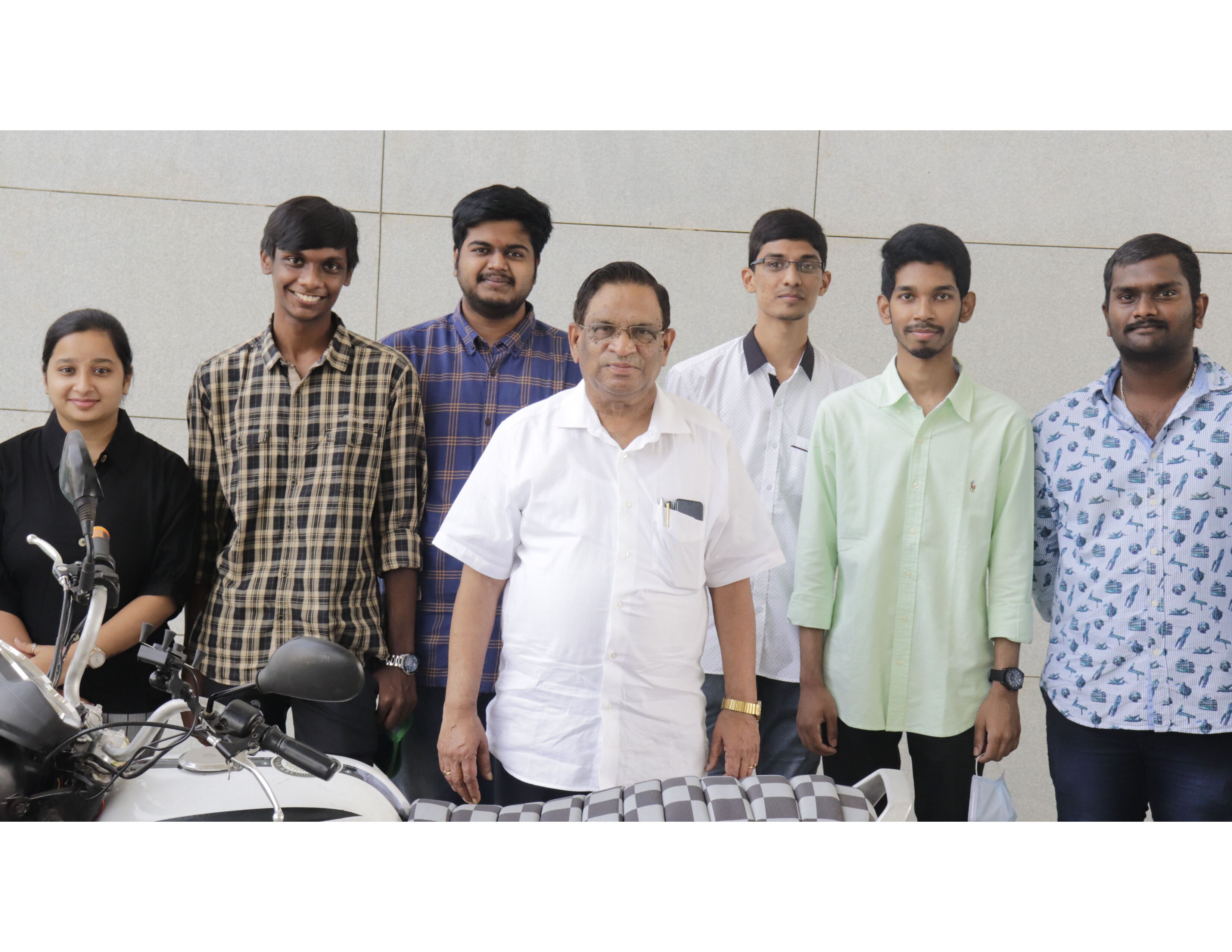
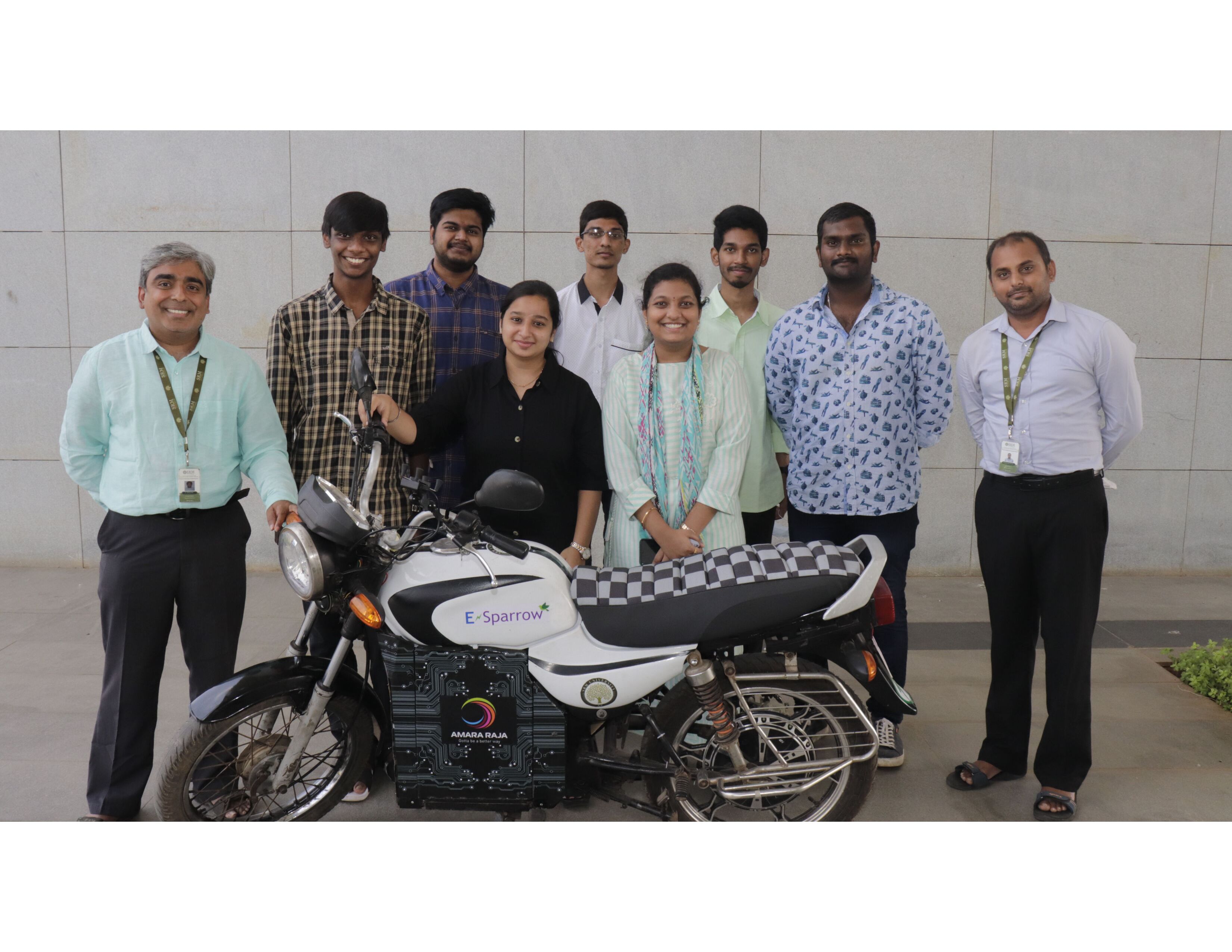
Undergraduate students design e-bike for sustainable environment
Advancing the celebration, Prof D Narayana Rao, Pro Vice-Chancellor, SRM AP took the virtual podium to comment “Science and Technology is the driving force for the economic development of India. We need to encourage young scholars by providing a vibrant and conducive research environment. Expanding the frontiers of knowledge by triggering interest among students must be the priority of the institutions. Also, focus should be on translational research with societal applications through collaborative research to make our nation a global leader.”
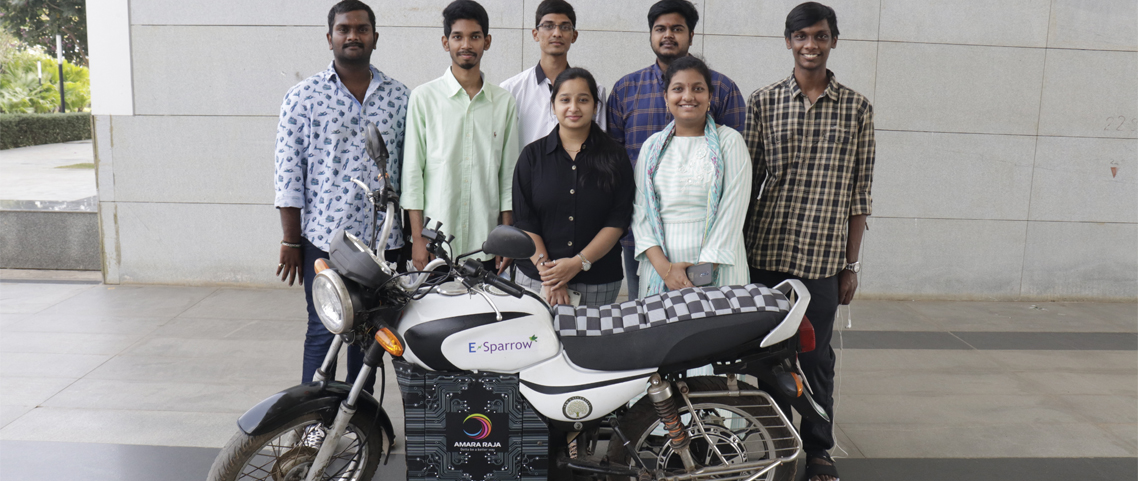
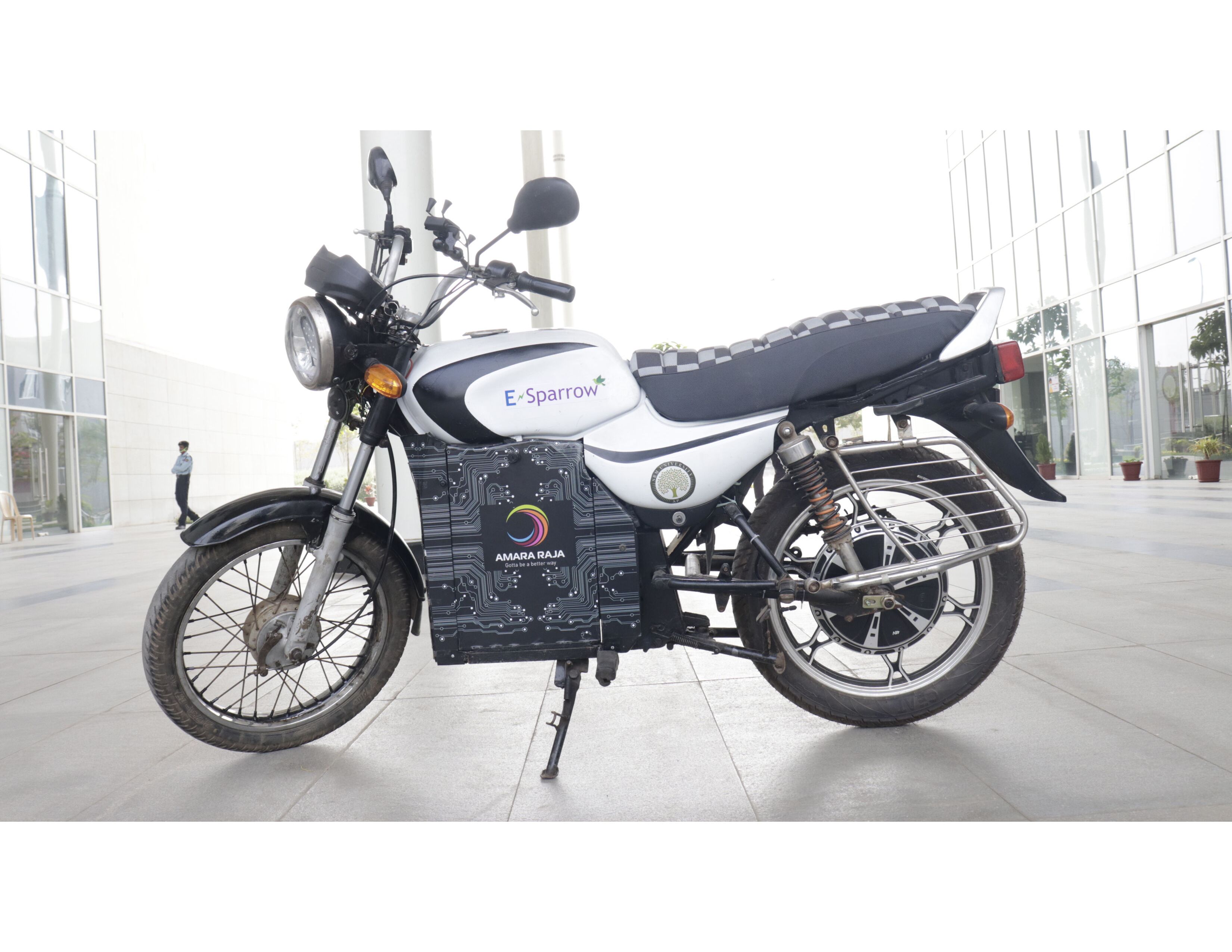
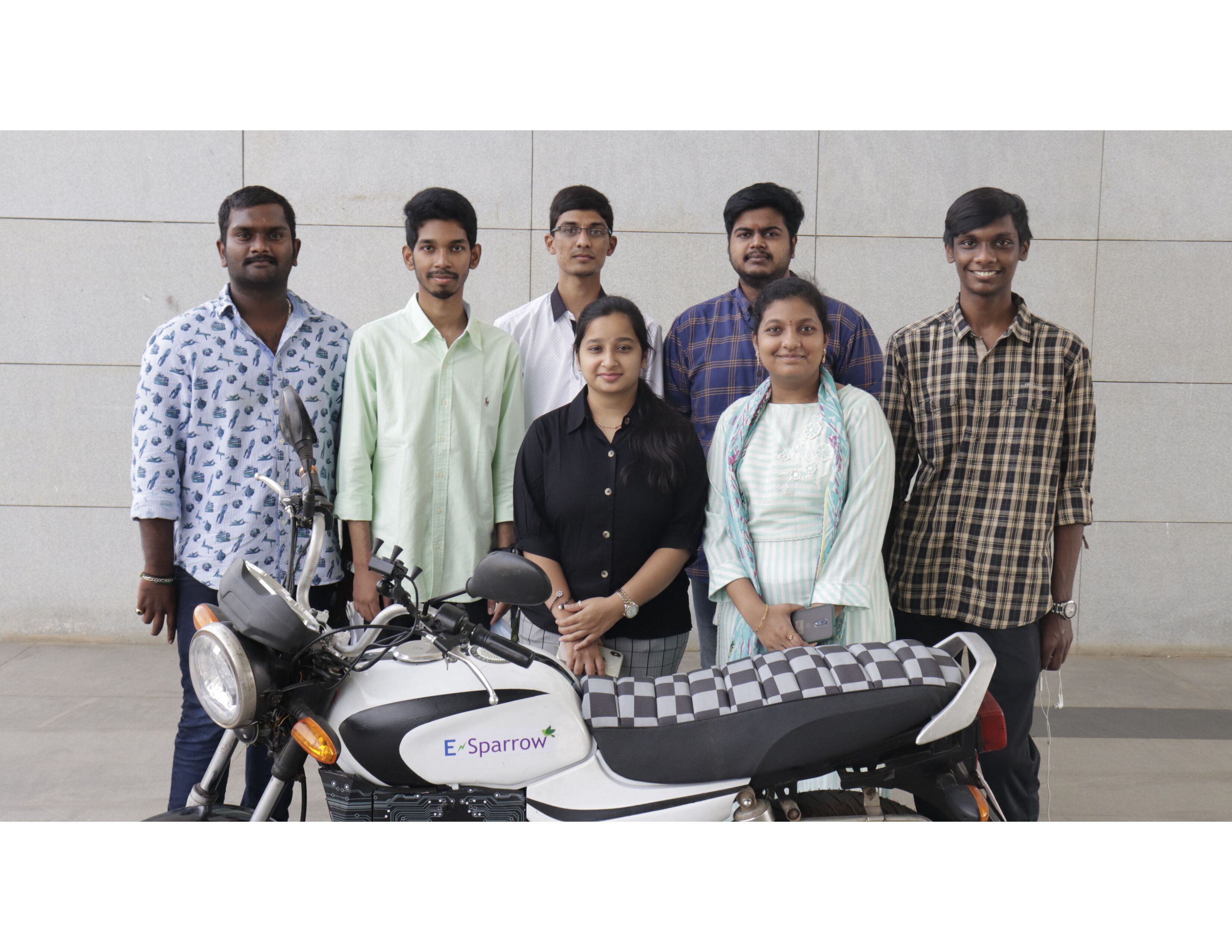
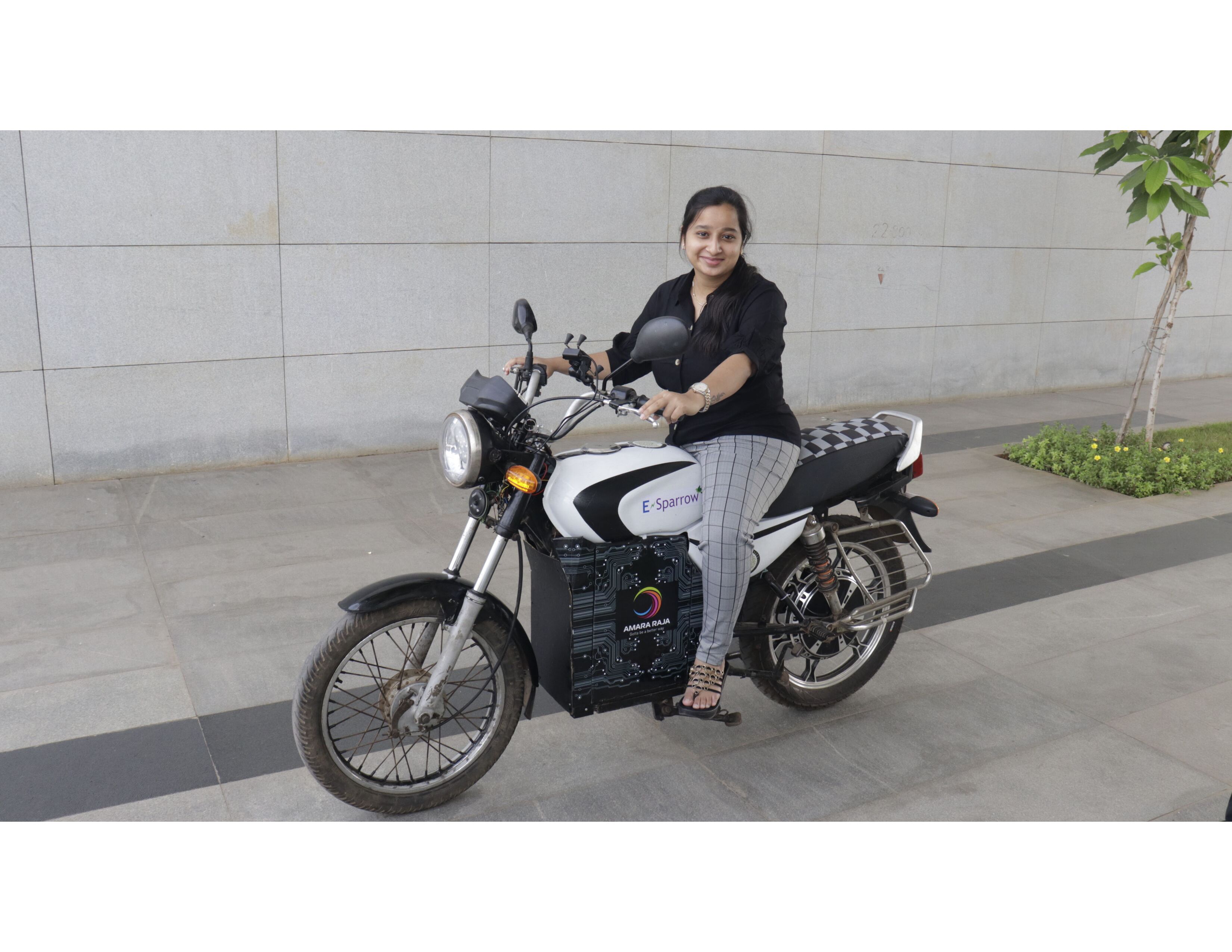
The team comprises of undergraduate students – Mr Raviteja Reddy, Mr A Chaitanya, Mr P M Aditya, Mr K Praveen, K Yeshashwini, A Sravya, K Vasu, and G Priyanka along with faculty members – Dr Venkata N Nori, Associate Professor, and Dr Panchagnula Jayaprakash Sharma, Assistant Professor, Department of Mechanical Engineering. Aditya reveals, “We endured several challenges in various aspects of retrofitting the conventional petrol motorcycle. Also, designing a portable battery system, enhancing the performance of the Hub motor, Chassis improvements, etc. enriched our understanding of electric vehicles and manufacturing techniques.”
Conversion of IC engine bike to an e-bike is considered to be a potential business venture by the team. Sharing their forthcoming plans, Aditya informs, “We are working on additional designs and ideas to incorporate the best possible features to make the e-bike more reliable. We heartily thank Prof D Narayana Rao, Pro Vice-Chancellor, for his continuous support. Also, Dr Venkata Nori and Dr Jayaprakash propelled us to create a steadfast model by relentlessly helping us in improving our design to make our model more cost-effective.”
Gallery
- Published in Mechanical Engineering NEWS, News, Research News
“Jumbo Catalyst” to resolve real-time catalytic challenges: SRMAP conceded the patent
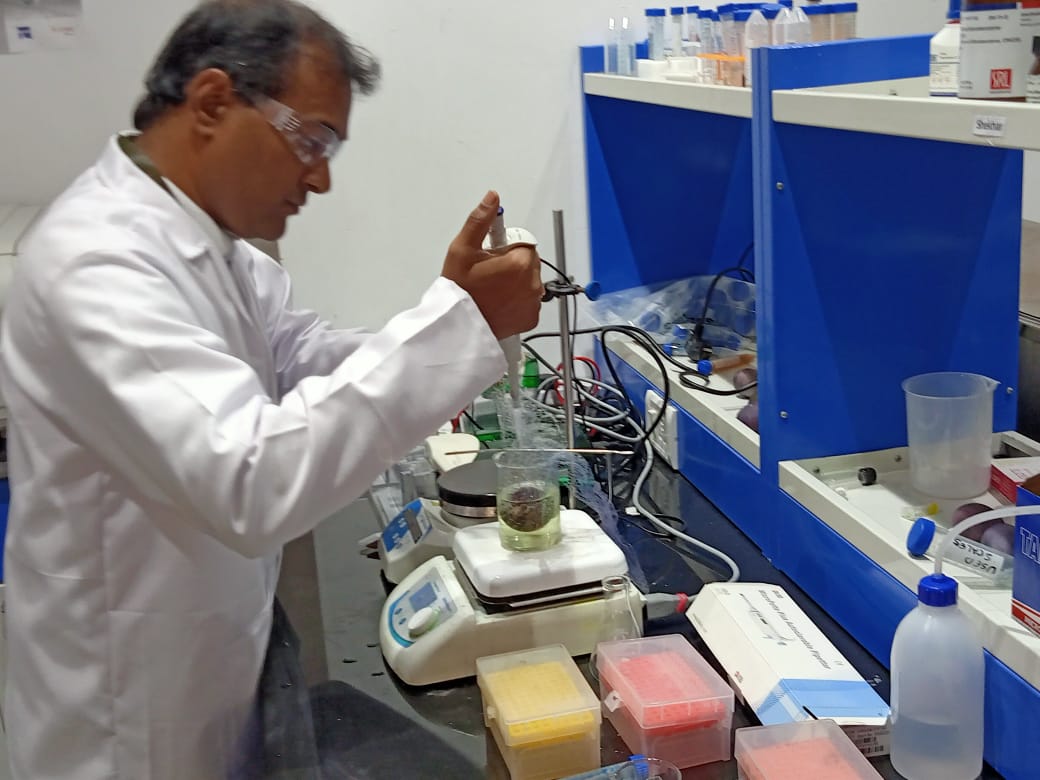 Dr Anil K Suresh is a renowned scientist in the area of Bio-Nanotechnology . The prestigious Ramalingaswami Fellow is now an Associate Professor at the Department of Biological Sciences, SRM University-AP. He recently developed an innovative catalyst that he named “Jumbo Catalyst” to address the demanding challenges in heterogeneous catalysis. This 3D-megacatalyst generated using “intact eggshell” food-waste is hand-removable with an overall surface area of ~ 78 cm2, featuring wide catalytic support and is highly stable in polar and non-polar solvents for ultra-efficient heterogeneous catalysis. This megacatalyst can overcome the existing limitations such as cost, time, labour, sustainability, mechanical stability, diverse-reactions, large-volumes, aggregation, recyclability and precursor recovery. Dr Anil K Suresh owns the copyrights for this pathbreaking invention through a published patent.
Catalysis is widely used in various industrial processes to produce desired end products. Research in this area substantially evolved from using organic reagents and metals to the adaptation of metal-based nanoparticles. Supported catalysis is a fast-emerging class of catalysis using inert and supportive frameworks with a potential for efficient reuse and recovery of the catalyst. Synthesis of metal-organic frameworks, fibres, polymers and hydrogel-based catalytic nanoparticle loadings are being reported. However, these are associated with intrinsic complexities and are produced using toxic ingredients, ecologically unbenign and are expensive.
The megacatalyst, generated by Dr Anil and his team using eggshell food-waste in the process, is autogenic, facile, cost-efficient and entirely biodegradable. Dr Anil strongly believes that theirs is the biggest catalyst developed so far. The intact eggshell provides an extensive support area for ultra-efficient catalysis. Applicability of this megacatalyst is so simple that even a layman can use it with ease. Moreover, this supported megacatalyst can be effortlessly removed from the reaction mixture post application as it can be recovered by hand. Catalytic reactions using the megacatalyst can be controlled as the tuff, and uniform coating protects the shedding of nanoparticles. Dr Anil Says, “We presume that the mega-size of the catalyst could be instrumental in several challenging applications. As a proof of concept, we selected three eclectic applications including- 1. Large volume sewage dye degradations, 2. Gram-scale hydrogenation of nitroarenes and 3. Transesterification of used oil to biodiesel- which are all difficult to achieve, highly challenging but are now practically feasible using our megacatalyst.”
“Keeping in mind the ultra-catalytic proficiency of our catalyst that can be simply resourced from continuously available eggshell waste, with minimal maintenance for the large scale practical implementation, we welcome interested beneficiaries from diverse heterogeneous catalysis sectors for bringing this innovation to execution,” Dr Anil asserted.
 The team is currently investigating to design and fabricate other species of megacatalyst using other significant metal precursors and earth-abundant metals to expand the applicability in allowance of diverse reactions such as oxidation of CO, Methane, Mono/Polyhydric alcohols, hydrogenation of alkynes, Nitroaromatics and CO2.
Dr Anil K. Suresh concluded that this breakthrough conception would not have been possible without the rigorous efforts of his team and the continuous support from the university management. Dr Anil Suresh thanked his PhD students Chandra Bhatt, Divya Parimi, Tharun Bollu and Madhura. Dr Anil especially thanked Professor D Narayana Rao, Pro-Vice-Chancellor, SRM University-AP for his extensive support in all his scientific endeavours since his association with the university.
- Published in News, Research News
A book by Dr Lakhveer Singh featured in the list of Best Waste Management books
Converting waste to fuel: way forward to a resilient planet
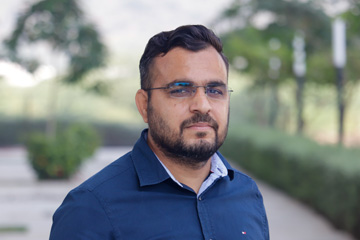 Dr Lakhveer Singh, Assistant Professor, Department of Environmental Science published a book titled “Waste to Sustainable Energy: MFCs – Prospects through Prognosis”. This book has been featured in the list of Best Waste Management books of all time by CNN, Forbes, and Inc-Book Authority. The book has been awarded this stature by venerated reviewers of the International Expert Committee, as well as global leaders of the discipline.
A Microbial Fuel Cells (MFC) bio-refinery treat water using microorganisms and converts waste products and byproducts into fuel. This entails efficient waste management along with contributing to the generation of renewable fuel, and products that foster sustainable development. Addressing the present challenges in waste management, bioenergy, bioproduct recovery, and commercial sustainability, this book on MFCs emphasize on an array of mechanisms, routes, and reaction engineering approaches for extensive transformation of waste to wealth.
Extensive use of fossil fuels for energy emits carbon dioxide and other harmful gases adversely affecting the environment and leading to soaring global warming. Subsequently, domestic, agricultural waste products from animal facilities, refineries, and industries cause a tremendous environmental burden. Energy systems from MFCs enable the treatment and recycling of wastes, preventing environmental problems, and offsetting the pollution loads. Dr Lakhveer informs, “We are aiming at ensuring a sustainable and resilient environment that eliminates any potential odds of future climate change. Though globalization has preceded the escalation in production processes, a significant quantum of the waste materials generated through these practices can be transformed into fuels with the help of MFCs. Efficacies of this mechanism would ensure a paradigm shift built on the principles of sustainability.”
This book focuses on the MFCs with various combinations of substrates generating bioelectricity with valued co-products. Essentially, the book provides fundamental ideas on MFC technologies, entailing various design and modeling aspects with examples. Further, the book illustrates distinctive aspects of basic sciences, reactor configuration, application, and market feasibility of MFCs. Critically assessing the feasibility of waste-powered MFCs for sustainable bioenergy production, the book highlights the tradeoff between resource needs and energy production. The extensive research and details in the book will help academicians, entrepreneurs, and industrialists to understand the scope and challenges empowering them to select unique, and specific integrated approaches in unit processes.
Advancing his research to mitigate environmental issues, Dr Lakhveer will continue to explore bioenergy, water treatment, bioelectrochemical systems, and nanomaterial synthesis for energy and water applications, and bioreactors development. Also, he is presently editing two books that address several environmental challenges.
- Published in News, Research News
Young researcher presents research paper amidst scholars at global conference – ICCCS 2020
Nikhila Korivi offers revolutionary approach to ensure Data Security
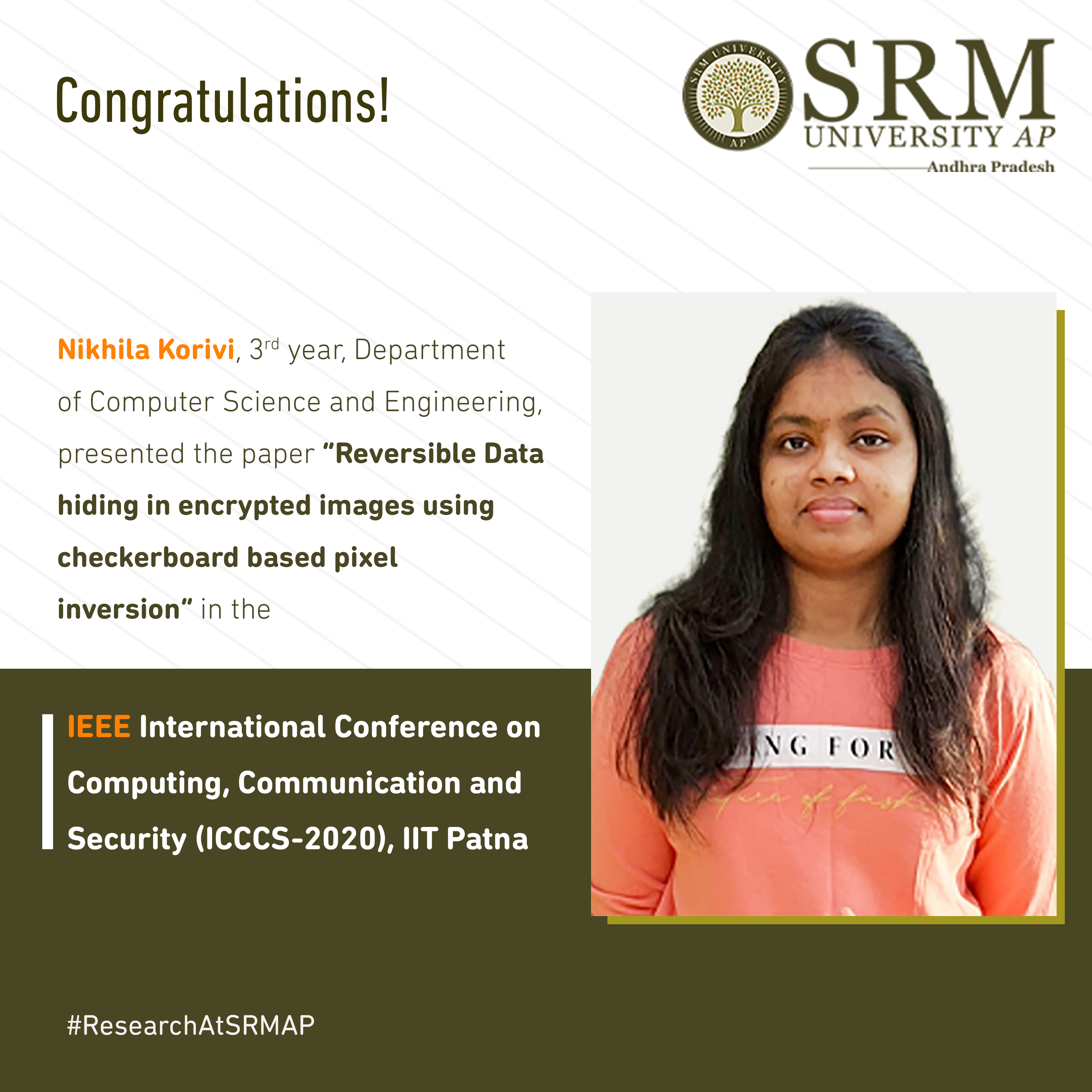 Nikhila Korivi, third year, Department of Computer Science and Engineering, SRM University- AP, Andhra Pradesh was steered by Dr Manikandan V M, Assistant Professor, Department of CSE, to present the pioneering research paper “Reversible Data hiding in encrypted images using checkerboard based pixel inversion” in the IEEE International Conference on Computing, Communication and Security (ICCCS-2020), IIT Patna, held on October 14-16, 2020.
Nikhila and her mentor, Dr Manikandan V M, worked on the paper conjointly for which, she is profoundly grateful to the professor. She says, “I thank Dr Manikandan and my other professors at SRM University-AP for their continuedguidance that inspired me to do research. Their encouragement propelled me to successfully present the research paper at ICCCS-2020, a conference revered by the entire scientific community.”
Nikhila has been keen on exploring and broadening her horizon of knowledge. Right from her early undergraduate days, Nikhila was intrigued by Information Security, an emerging discipline in the modern era. Soon she recognized that Reversible Data Hiding is an active research area in the realm of Information Security, which has extensive application in Medical Image Transmission, and Cloud Computing.
On approaching her professor, Dr Manikandan enthused Nikhila to embark on the research work and propose a new Reversible Data Hiding scheme in encrypted images by using a checkerboard pattern-based pixel inversion technique. Nikhila informs, “The proposed scheme ensures a better bit error rate without compromising on the embedding rate. The algorithms were implemented using Matlab-2019 and the experimental studies of the proposed scheme have been carried out using a standard image dataset (USC-SIPI) managed by the University of Southern California.”
This revolutionary approach is immensely beneficial when it comes to Data Security, and it is widely implemented in medical image transmission along with many other sectors. Fostering her interest in pursuing research and advanced studies, Nikhila plans to enhance her research work by focusing on designing and developing new Reversible Data Hiding schemes with better embedding rates without compromising other efficiency parameters such as computational complexity, robustness, and bit error rate.
- Published in CSE NEWS, News, Research News
Dr Nimai Mishra analyze approaches to Amine-Free Synthesis of Colloidal Cesium Lead Halide Perovskite Nanocrystals
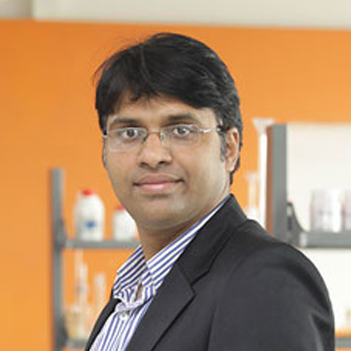 Dr Nimai Mishra, Assistant Professor, Department of Chemistry, SRM University-AP, Andhra Pradesh, accompanied by his research group encompassing students pursuing PhD under him, Mr. Syed Akhil and Ms. V.G.Vasavi Dutt have published a comprehensive mini-review titled “Amine-Free Synthesis of Colloidal Cesium Lead Halide Perovskite Nanocrystals” in the Journal “ChemNanoMat” (Wiley-VCH) with an Impact Factor of 3.4.
Colloidal cesium lead halide (CsPbX3) perovskite nanocrystals (PNCs) are emerging disciplines in research aided by their exceptional optical properties and remarkable colour tunability. Oleic acid and oleylamine are the frequently used surface capping ligands in colloidal CsPbX3 synthesis. The oleylamine plays an important role in surface passivation and maintaining colloidal stability. However, in the long run, it is accountable for poor colloidal stability because of the facile proton exchange. This heralds to the formation of labile oleylammonium halide, which removes the halide ions from the Nanocrystals’ surface.
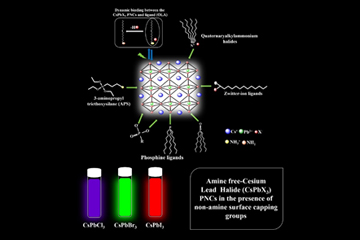 Leveraging on the synthetic toolboxes developed from decades of research into more traditional semiconductor nanocrystals, lately, researchers are focusing on creating various amine‐free synthesis approaches to improve the colloidal and photostability of CsPbX3 perovskite NCs. In this paper, Dr Mishra and his team encapsulated various amine‐free based synthetic routes of CsPbX3 (X=Cl, Br, I) PNCs that have been reported so far. They reviewed this progress in terms of their underlying synthetic approaches, and post‐synthetic treatment steps.
Furthermore, Dr Mishra and his group analyzed the prospects of these perovskite nanocrystals in terms of their photo‐luminescence properties and device performances. Advancing, a deeper understanding of the role of precursors and ligands will significantly bolster the versatility of these amine‐free PNC materials.
To read the full paper: Please Click Here
- Published in News, Research News
Prof C Durga Rao receives a grant to enhance vaccine efficacy at a reduced cost
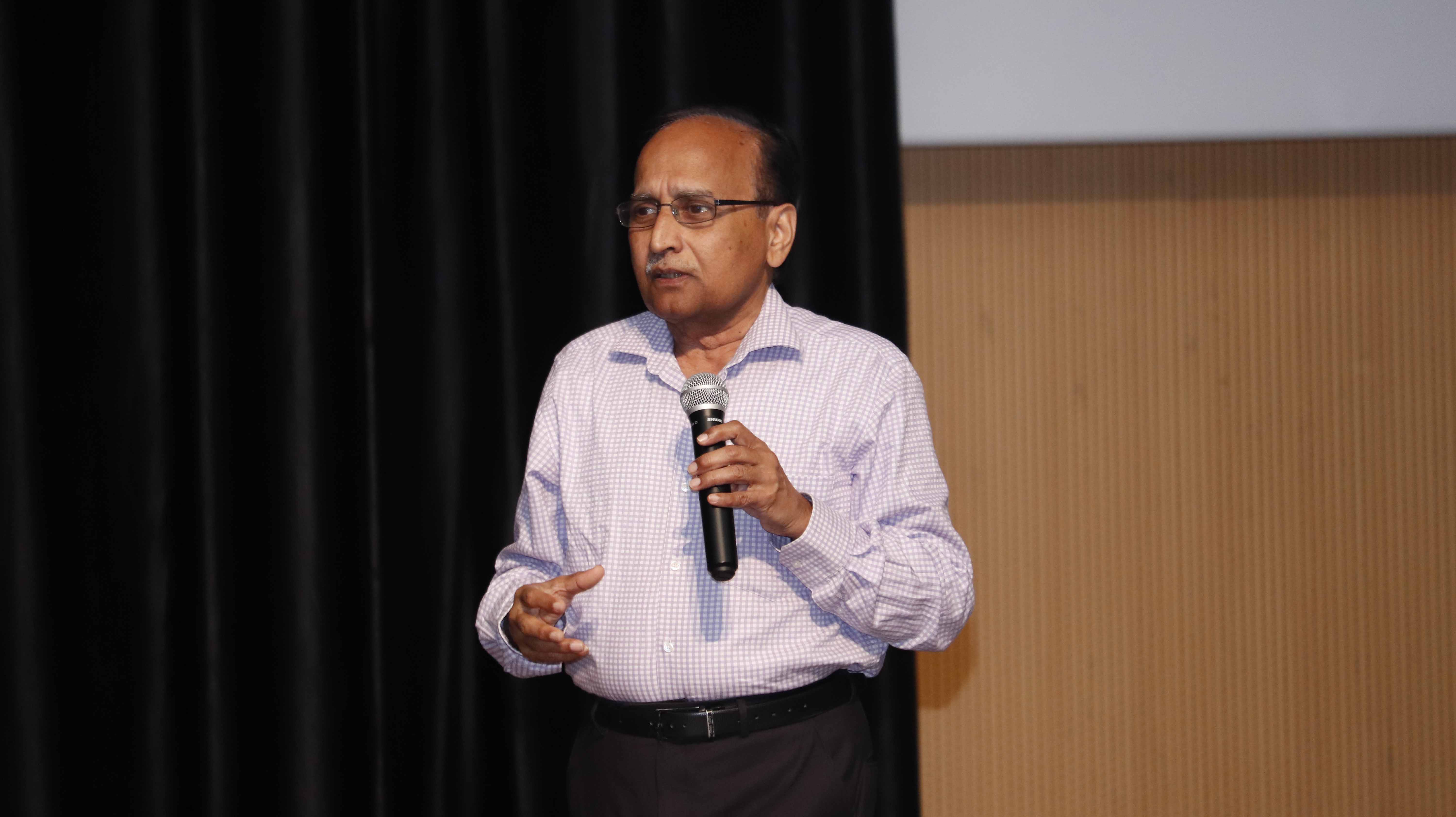 Prof C Durga Rao (Principal Investigator), Professor, Department of Biological Sciences, and Associate Dean, Sciences, Department of Biological Sciences, SRM University-AP, Andhra Pradesh has received a total outlay of Rs. 1,10,52,941/- from the Department of Biotechnology, Government of India, to work on the project titled “Understanding the molecular basis for the extreme differential level of expression of genes from human and animal rotaviruses in gene-transfected cells: Implications for improving the growth of human vaccine strains”. Using the grant, the professor will be spawning the appropriate facilities to perform cell culture and virus-related research at SRM University-AP.
Understanding how a virus overpowers the host resistance mechanisms and seizes the host cellular processes for its own growth is very challenging and is essential for the development of not only efficient viral vaccines but also for antiviral therapeutic strategies. Prof Durga Rao informs, “Rotavirus is the leading cause of severe and acute dehydrating diarrhoea in infants and children below 5 years of age. Efforts by us and Dr Bhan, former Secretary, Department of Biotechnology, Government of India, led to the discovery and development of the first made in India rotavirus vaccine, produced by Bharat Biotech, Hyderabad.”
In the earlier project, the professor Rao observed that while some human rotaviral proteins could be expressed at high levels when the cloned genes were introduced into mammalian cells, other proteins could not be expressed at detectable levels. However, the virus expresses copious amounts of all its proteins when it infects the cells. Prof Durga Rao further shares, “Within a few hours of infection, each virus employs several ploys in the infected cell to subvert the cellular defence and regulatory mechanisms and captures the host for its own progeny production.”
Based on the earlier observations, this project will advance to unravel the tricks employed by the virus, and viral transactions in the infected cells. The outcome of the project will have implications for genetically engineering the poorly growing human vaccine strains for their efficient growth in cell culture, leading to reduced cost of not only rotavirus vaccines, but also other viral vaccines.
- Published in News, Research News
Faculty members of SRM University-AP awarded separate research grants by the National Supercomputing Mission (NSM), Government of India
 Prof Ranjit Thapa, Professor, Department of Physics, SRM University – AP, Andhra Pradesh has been awarded a first-year grant of Rs 28 Lakhs by the National Supercomputing Mission (NSM), supported by the Department of Science and Technology (DST) in collaboration with the Ministry of Electronics and Information Technology (MeITy), Government of India. Prof Ranjit will be working on the project titled “Catalysts for CO2 Reduction to C2 Product: Descriptor to Database” as the project leader. He has started the work to search for the best catalyst to convert CO2 into useful product and hence solving the problem of climate change due to large production of CO2 through different sources.
CO2 is a known greenhouse gas and key reason for global warming and climate change. Can we challenge mother nature by converting CO2, a greenhouse gas into energy with the required efficiency? This is a mystery and a mammoth problem and a much-needed problem to be solved with a fundamental approach. Prof Ranjit Thapa believes that metal nanocatalyst on support materials can solve the problem and can increase the efficiency of CO2 reduction to C2 products, viz., ethylene (C2H4) and ethanol (C2H5OH). An experimental approach to find the best catalyst for CO2 reduction needs enormous funds and trials, and a long time is required to develop the exact catalyst for industry application. The mammoth task is to find the suitable composition, shape, and size of metal nanoparticle (MNP) on an appropriate surface for the catalytic reactions. Prof. Ranjit proposes that this can be achieved by computational modelling using Density Functional Theory (DFT) through finding and estimating the electronic descriptor and revealing active sites through structure-activity relations. Recent progress in Machine Learning (ML) for materials with DFT modelling drives towards rational design of catalysts. The electronic descriptor, storage of MNP/support information in the database followed by prediction using Machine Learning (using predictive model equation) will help to narrow down the search for the best catalyst for CO2 reduction to C2 species.
 Further, Dr Mahesh Kumar Ravva, Assistant Professor, Department of Chemistry, SRM University – AP, Andhra Pradesh received Rs 19.92 Lakhs as the first instalment from DST-National Supercomputing Mission (NSM). His project’s primary focus will be on understanding the critical factors that influence the performance of organic solar cells. Using the supercomputer, his research group will model the electronic process that occurs during solar cell operation. The outcome of this project will guide experimentalists to develop organic solar cells with higher efficiency. Organic solar cells are flexible, lightweight, and low-cost and have many exciting applications in wearable electronic devices, smart windows, etc.
Prof V S Rao, Vice-Chancellor, SRM University – AP, and Prof D Narayana Rao, Pro Vice-Chancellor, SRM University – AP congratulated Prof Ranjit Thapa and Dr Mahesh Kumar Ravva. Prof Narayana Rao said, “Necessary facilities and support will be provided by the University to effectively carry out the two projects.”
- Published in News, Research News